
Wearable Technology
AI-Powered Technology For Better Sleep

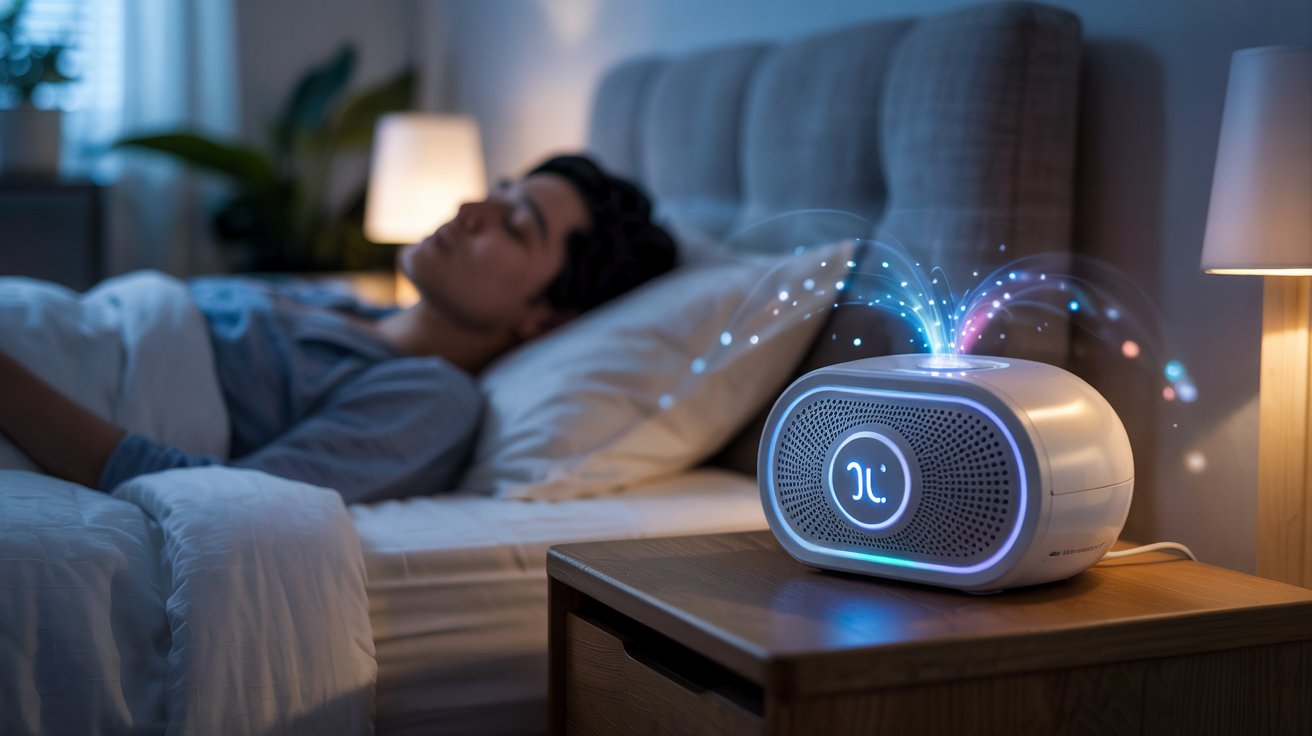
Tired of waking up like you’ve been hit by a truck? You’re not alone. Between meetings, notifications, and doomscrolling into the void, most of us forgot how to sleep.
But here’s the plot twist: the same tech that’s frying your brain all day might actually save your nights.
Why AI and Sleep Tech Are the Power Couple You Didn’t Know You Needed
AI-powered technology for better sleep is here—and it’s creepy good. From wearables that track your every toss and turn to noise machines that adapt in real-time, the goal isn’t just more sleep—it’s better sleep.
Let’s break it down.
Your Sleep Coach Wears a Microchip
Imagine a coach that doesn’t sleep, watches you do it, and gives you brutally honest feedback. That’s AI-driven sleep tech.
It collects data like:
- Heart rate
- Room temperature
- Sleep stages (REM, deep, light)
- Your snoring (sorry, truth hurts)
And it translates all of that into stuff you can actually use.
Smart Sleep Trackers: Creepy Little Wrist Geniuses
We’re talking Oura Ring, Whoop, Fitbit Sense—the gadgets that judge your sleep without saying a word.
Why these work:
- Zero effort: Just wear it. It does the tracking.
- Detailed insights: Know when your REM is thriving or dying.
- Actionable advice: It spots your bad habits and nudges you toward better ones.
Pro tip: Pair it with a Pluto Pillow. Custom-fitted comfort = game changer.
AI White Noise Machines: Your Sonic Bodyguard
If barking dogs and loud neighbors haunt your nights, AI white noise machines like Hatch Restore have your back.
They do some cool stuff:
- Real-time volume adjustment to block out new noises
- Adaptive soundscapes: From rain to ocean waves to “static but make it zen”
- Personalized options based on your preferences
Pro tip: Add in the Noisli app for layered soundscapes that would make even a spa jealous.
AI Sleep Apps: The Therapist for Your Dreams
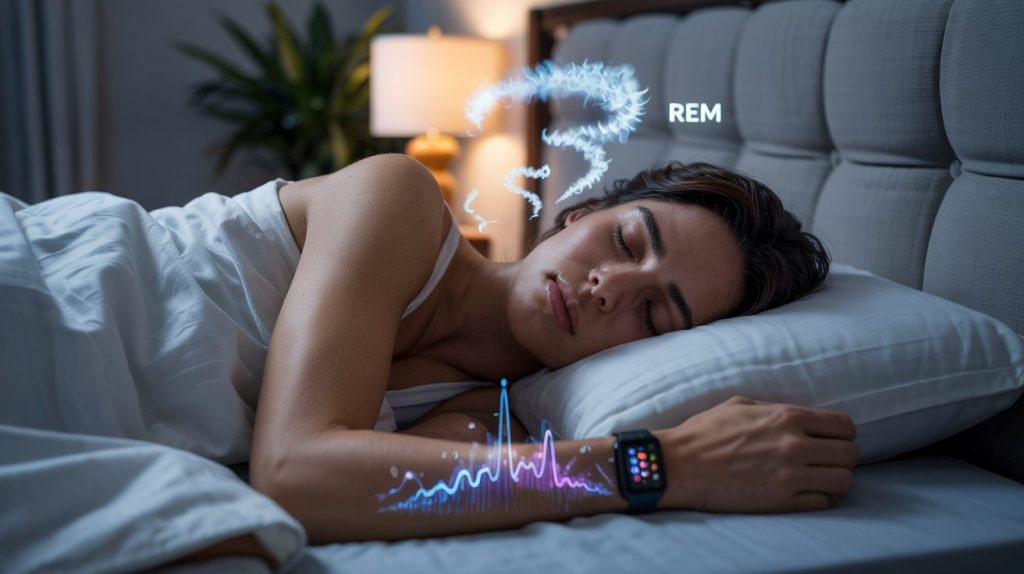
Apps like Sleep Cycle and Pzizz act like bedtime coaches for the modern mind.
What they bring to the table:
- Personalized sleep tips based on your data
- Smart alarms that wake you when you’re in light sleep, not dead-to-the-world mode
- Extras like bedtime stories, meditations, and affirmations to help you wind down
How to Get Started Without Overthinking It
You don’t need to turn your bedroom into a NASA lab overnight. Here’s how to dip your toes in:
- Start with one tool — an app, a tracker, or a noise machine.
- Set a simple sleep goal — like 7 hours a night or consistent bedtimes.
- Swap your nightly scroll — use guided breathing or meditations instead of TikTok.
- Be consistent — AI needs patterns. So does your brain.
- Adjust based on the data — It’s not gospel. It’s guidance.
Real People, Real Sleep Wins
Mark, software engineer: The Oura Ring exposed how caffeine was wrecking his REM. He switched to herbal tea after 3 p.m. Now he wakes up without needing four espressos to function.
Priya, marketing exec: Her Hatch Restore wakes her gently with a sunrise alarm. No more adrenaline-rush wake-ups from that default iPhone buzz.
Final Word: Don’t Just Sleep—Dominate It
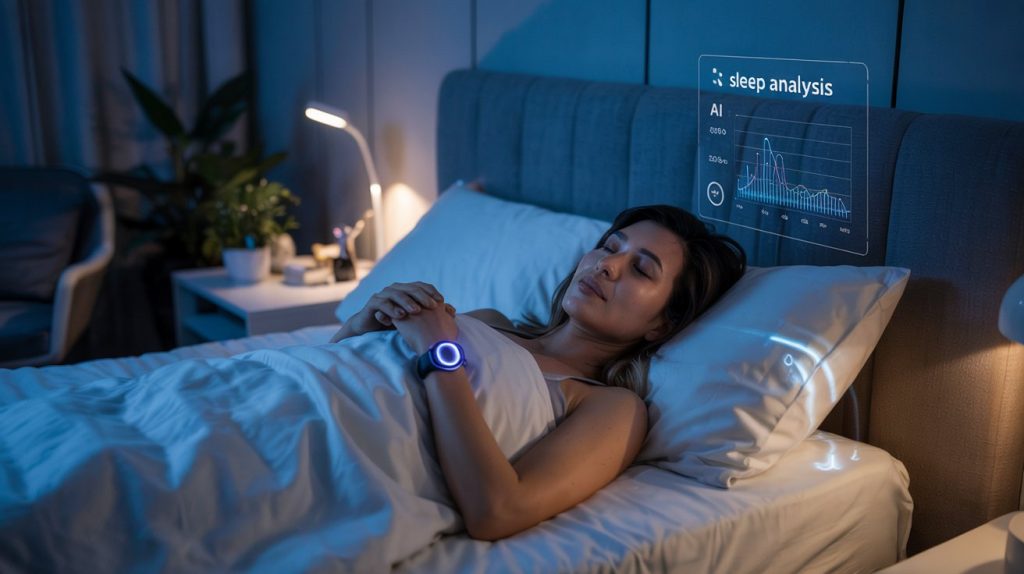
Tech isn’t just for doomscrolling and email anxiety. It can fix your sleep. And once you get that in check, everything else—your mood, your focus, your energy—starts clicking into place.
So don’t wait. Start experimenting. Because “tired all the time” isn’t a personality trait—it’s a problem you can solve.
Sleep smarter. Wake up like a legend.
Author

Password Safe Review: Is This Offline Password Keeper Worth It?

KINESIS Advantage360 Professional Review: The Split Keyboard That Actually Fixed My Wrist Pain

Dell Inspiron 14 2-in-1 Laptop Review: The Versatile Powerhouse That Actually Delivers

UGREEN Revodok 105 USB C Hub Review: The 5-in-1 Solution That Actually Delivers

Desk Lamp with Wireless Charger Review

Ring Indoor Cam Review: Home and Business Security That Actually Works

Runelk iPad Keyboard Case Review: Transform Your iPad Into a Laptop

OWC Thunderbolt 5 Dock Review: A Desk Upgrade That Actually Makes You Faster

CheerDots AI Smart Mouse Review: The Future of Presentation Control

Yubico YubiKey 5C NFC Review

AI-Powered Technology For Better Sleep

AI Translation Glasses Review: Breaking Down Language Barriers

Lenovo ThinkPad E16 Business Laptop Review

HP 2025 17 Inch Laptop Review

Lenovo Ideapad 3 Business Laptop Review

Dell Latitude Laptop Computer 15.6 Review

HP 15.6 Laptop Computer Review For Both Work And Play

Kingston Ironkey Keypad 200 USB Review

Havit HV-F2056 Laptop Cooler Review
