
Lifestyle Gadgets
Password Safe Review: Is This Offline Password Keeper Worth It?

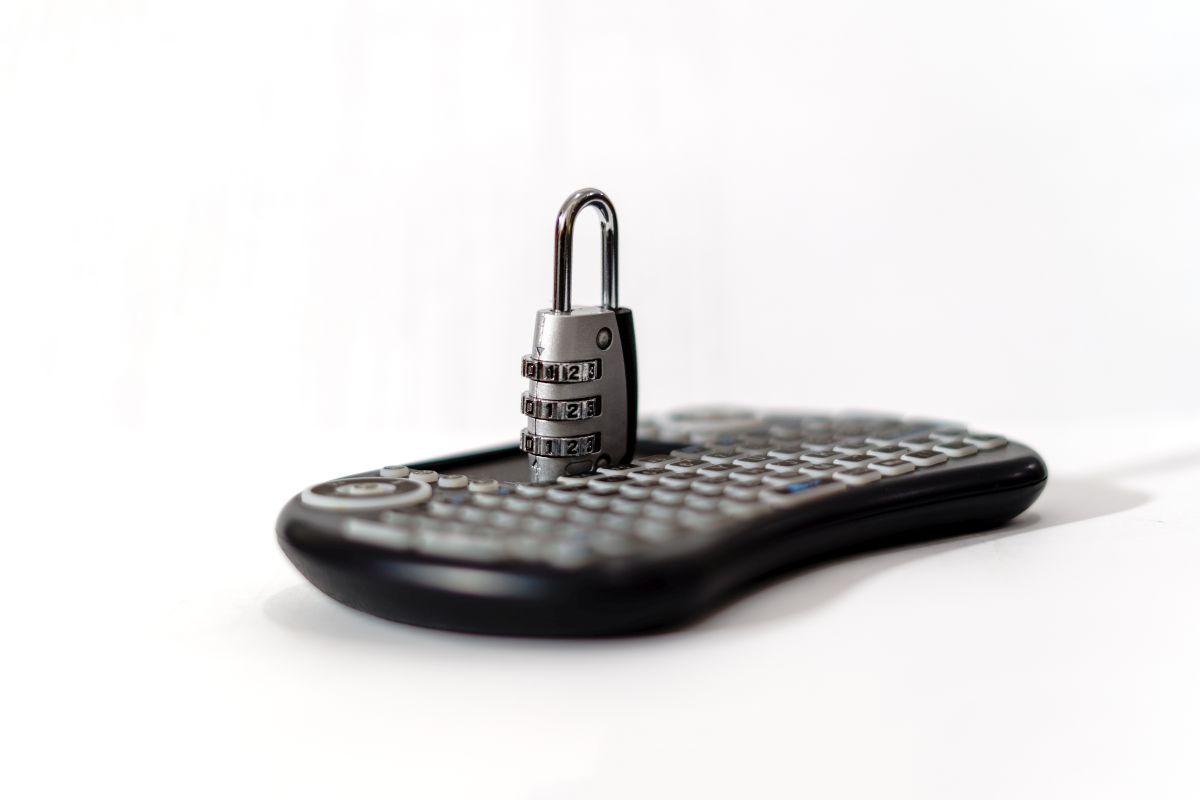
The John N. Hansen Password Safe is an offline password keeper that stores up to 400 accounts without any internet connection, making it a solid choice for people who don’t trust cloud-based password managers or want a reliable backup solution.
I’ll admit it. I’ve been relying on browser-saved passwords for years, and it’s gotten out of hand. Between work accounts, personal email, banking sites, and all those random subscriptions I’ve signed up for, I’ve got passwords scattered everywhere.
When my laptop crashed last month and I lost access to half my accounts, I knew I needed a backup solution that didn’t depend on the cloud.
That’s when I came across the Password Safe. It’s a physical device that stores up to 400 passwords offline, which immediately appealed to me. No internet connection, no subscription fees, no worrying about data breaches. Just a simple electronic vault that fits in your pocket.
After testing it for a few weeks, I’ve got some thoughts on whether this old-school approach to password management actually makes sense in 2024.
Key Takeaways
Best For: People skeptical of cloud storage, seniors who prefer physical devices, anyone wanting offline backup
Standout Feature: Completely offline – no internet connection required
Storage Capacity: 400 accounts/passwords
Security: Auto-locks after 5 failed PIN attempts
Size: Pocket-sized at 5″ x 3.5″
Price Point: Budget-friendly one-time purchase (no subscriptions)
What Makes This Product Special
The main selling point here is simplicity. You create one master PIN, and that unlocks access to all 400 stored passwords. No apps to download, no browser extensions, no syncing across devices. It’s just you and this little electronic gadget.
The fact that it’s completely offline is either a huge advantage or a dealbreaker, depending on your perspective. For me, knowing that hackers can’t access it remotely gives me peace of mind.
There’s no company server that could get breached, no cloud account that could be compromised. Your passwords live on this device and nowhere else.
The built-in search function is actually pretty handy. You can search by website name or username, which beats scrolling through hundreds of entries.
The backlit LCD screen makes it readable even in dim lighting, though the screen itself is pretty basic.
Pros and Cons
Pros:
- Zero risk of online hacking or data breaches
- No monthly subscription fees or ongoing costs
- Stores 400 accounts, which is more than most people need
- Search function makes finding passwords quick
- Batteries last a long time between changes
- Master PIN is all you need to remember
- Auto-lock feature prevents unauthorized access
- Small enough to carry in a pocket or purse
Cons:
- Entering passwords takes longer than auto-fill features
- Screen can be hard to read for some users
- No automatic backups if the device breaks
- QWERTY keyboard is tiny and can be fiddly
- Some units have reliability issues based on customer feedback
- Not practical if you need passwords while device is elsewhere
- No way to share passwords with family members easily
What It Does: Breaking Down the Features
Password Storage and Organization
The Password Safe device lets you store login credentials for 400 different accounts. For each entry, you can save the website name, username, password, and even add notes. I found the note field useful for storing security question answers or account numbers.
Entering passwords is straightforward but takes some patience. You use the tiny QWERTY keyboard to type everything in, which feels a bit like texting on an old flip phone. My fingers are average-sized and I still hit the wrong keys occasionally.
Security Features That Actually Matter
The PIN protection is solid. After five wrong attempts, the device locks itself for 30 minutes. This prevents someone from just trying every combination if they get their hands on it. You can also completely wipe the device if needed, which is reassuring if it ever gets lost or stolen.
The built-in flash memory keeps your data safe even when you change batteries. I was worried about losing everything during a battery swap, but the transition was seamless. The device remembers everything.
Search and Navigation
The search function works better than I expected. Type in a few letters of the website name and it pulls up matches. This beats the alternative of creating some elaborate organizational system or scrolling endlessly through alphabetical lists.
Navigation between entries is simple. You scroll using arrow keys and select with the enter button. It’s basic, but it gets the job done.
Performance in Real-Life Scenarios
I’ve been using this Password Safe as a backup to my main password manager. When I need to log into an account from a device that doesn’t have my password manager installed, I pull out the Password Safe instead of trying to remember or reset passwords.
The biggest test came when I was traveling and needed to access my bank account from a hotel computer. I definitely wasn’t going to type my password into a browser’s “remember password” feature on a public computer, so having this device saved me from that security risk.
Where it falls short is convenience. If I’m working on my laptop and need to log into ten different sites in a row, pulling out this device and manually typing each password gets tedious. Auto-fill is just faster, there’s no way around it.
The screen quality is my main complaint. It’s functional but not great. In bright sunlight, it’s hard to read. The backlight helps indoors, but the contrast could be better. I’ve found myself tilting it at different angles to get a clear view.
Battery life has been solid. I’ve been using it regularly for a few weeks and haven’t needed to change batteries yet. The included AAA batteries seem to last quite a while with moderate use.
Problem It Solves: When Cloud Storage Isn’t the Answer
This device addresses a specific concern: what if you don’t trust cloud-based password managers?
Maybe you’ve read too many news stories about data breaches. Maybe you just don’t like the idea of your passwords sitting on someone else’s servers.
Or maybe you’re older and prefer physical devices you can hold and control. This Password Safe gives you an alternative.
It also solves the “backup problem.” If your computer dies, your phone gets stolen, or your password manager account gets locked, you still have access to all your credentials. Having a physical backup device provides genuine peace of mind.
For people who aren’t comfortable with technology, this offers a middle ground. It’s more secure than writing passwords in a notebook (which you’d be surprised how many people still do), but it doesn’t require learning complicated software or trusting cloud services.
Features Worth Noting
Offline Operation: No Wi-Fi, no Bluetooth, no internet connection whatsoever. Your data never leaves the device.
400 Account Capacity: More than enough for most users. Even power users with hundreds of accounts should have room to spare.
Auto-Lock Security: Five failed PIN attempts trigger a 30-minute lockout. Prevents brute force attacks.
Backlit Display: Makes the screen readable in dark environments. The backlight quality is basic but functional.
Full Keyboard: QWERTY layout for typing. Keys are small but labeled clearly.
Search Function: Find accounts quickly without scrolling through the entire list.
Battery Indicator: Shows remaining battery life so you’re not caught off guard.
Data Retention: Built-in memory keeps passwords safe during battery changes.
Complete Data Wipe: Reset function permanently erases everything if needed.
Alternatives to Consider
If you want something more modern, password managers like LastPass or 1Password offer way more convenience. They sync across devices, auto-fill passwords, and include features like password generators and security audits. However, they require trusting cloud storage and usually cost $3-5 per month.
For those who want offline storage but with more features, there are USB password vaults that plug directly into your computer. These typically have better screens and easier data entry, but they’re less portable.
If security is your top priority, hardware security keys like YubiKey offer the strongest protection. They work with two-factor authentication and are nearly impossible to compromise. But they don’t store passwords – they just add an extra security layer.
On the budget end, you could stick with the old pen-and-paper method. It’s completely offline and costs nothing, but it’s also easily lost, damaged, or stolen. And honestly, handwritten password lists aren’t great security practice.
Final Verdict
This Password Safe serves a specific audience well. If you’re uncomfortable with cloud-based password managers, want a physical backup solution, or just prefer devices you can hold in your hand, it’s a decent option.
The main drawback is convenience. Using it requires pulling out the device, typing in your master PIN, searching for the account, and manually entering the password. That’s significantly slower than auto-fill features on modern password managers.
I’d recommend it as a backup solution rather than your primary password tool. Keep it updated with your important accounts, and use it when you can’t access your main password manager or when you’re on public computers.
For seniors or anyone who finds technology overwhelming, this offers a straightforward solution that doesn’t require downloading apps or creating cloud accounts. The learning curve is minimal, and the offline nature provides legitimate security benefits.
Just be aware that if this device breaks or gets lost, your passwords go with it. There’s no cloud backup to recover from. Make sure you have some other way to access your critical accounts in an emergency.
Ready to take control of your passwords offline? This Password Safe might be the old-school solution you’ve been looking for.
Author

Password Safe Review: Is This Offline Password Keeper Worth It?

KINESIS Advantage360 Professional Review: The Split Keyboard That Actually Fixed My Wrist Pain

Dell Inspiron 14 2-in-1 Laptop Review: The Versatile Powerhouse That Actually Delivers

UGREEN Revodok 105 USB C Hub Review: The 5-in-1 Solution That Actually Delivers

Desk Lamp with Wireless Charger Review

Ring Indoor Cam Review: Home and Business Security That Actually Works

Runelk iPad Keyboard Case Review: Transform Your iPad Into a Laptop

OWC Thunderbolt 5 Dock Review: A Desk Upgrade That Actually Makes You Faster

CheerDots AI Smart Mouse Review: The Future of Presentation Control

Yubico YubiKey 5C NFC Review

AI-Powered Technology For Better Sleep

AI Translation Glasses Review: Breaking Down Language Barriers

Lenovo ThinkPad E16 Business Laptop Review

HP 2025 17 Inch Laptop Review

Lenovo Ideapad 3 Business Laptop Review

Dell Latitude Laptop Computer 15.6 Review

HP 15.6 Laptop Computer Review For Both Work And Play

Kingston Ironkey Keypad 200 USB Review

Havit HV-F2056 Laptop Cooler Review
